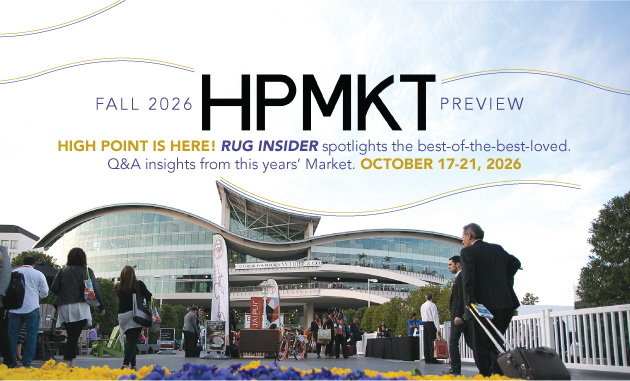
FALL 2026 HPMKT PREVIEW
HIGH POINT IS HERE! RUG INSIDER spotlights the best-of-the-best-loved.
Q&A insights from this years’ Market. OCTOBER 17-21, 2026

 Rug Insider Magazine
News for the Rug and Carpet Professional
Rug Insider Magazine
News for the Rug and Carpet Professional 
|
|
 |
HIGH POINT IS HERE! RUG INSIDER spotlights the best-of-the-best-loved.
Q&A insights from this years’ Market. OCTOBER 17-21, 2026
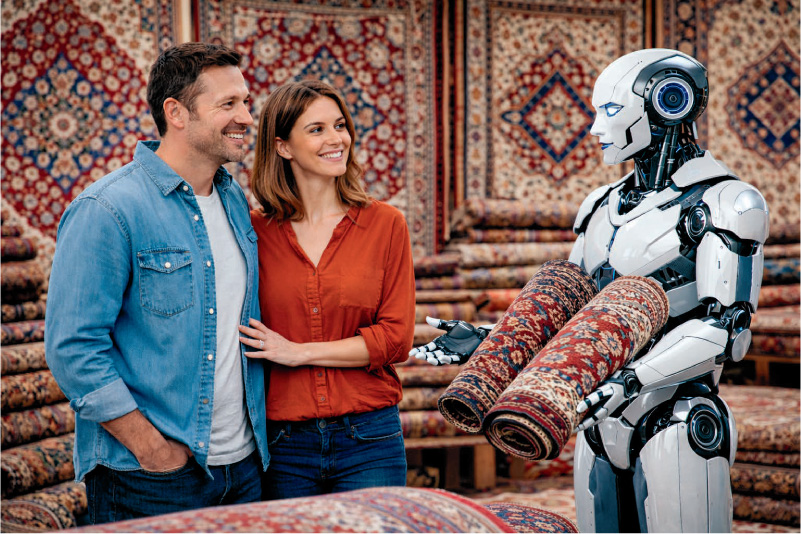
One of the biggest news items of the last couple of years has been the rise of Artificial Intelligence, and more specifically, of ChatGPT. AI has been integrated into everything from web searches to document preparation to image creation to video rendering. That being said, AI couldn’t possibly make its way into the traditional world of selling vintage and antique rugs, right? Or could it?
Anyone who’s played the rug game long enough eventually has a “moment.” It’s that split second where the dopamine of the hunt overrides the logic of the trade. You’re looking at a piece that looked like a masterpiece in the low-res glow of a smartphone screen, but the second it’s unrolled in the cold, unforgiving light of the shop, it starts telling a very different story.
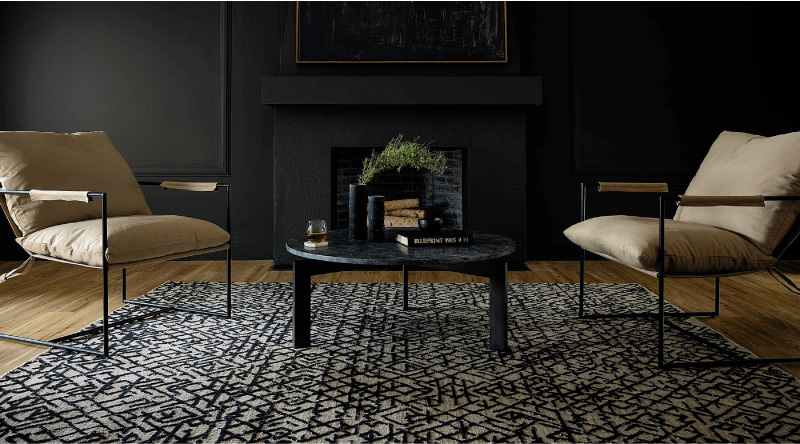
Executives across the rug sector point to a measured reality: AI and data tools are accelerating workflows and improving communication, while craftsmanship and human judgment remain central to the business.
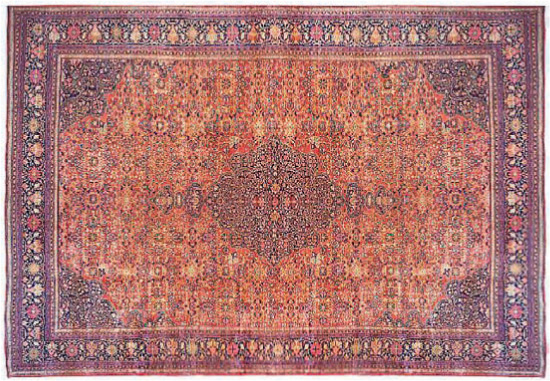
We recently had a visit from an interior designer who was sourcing rugs for her client, and during her selection process, she asked a question that stopped me in my tracks. She said, “Is this rug new? Or vintage? Or antique? What’s the difference?”
Having worked in the antique rug trade for nearly 30 years, the idea of what a vintage or antique rug is has become second nature to me, so I was taken aback when a design professional needed a primer to explain to her the differences between these various rug age categories.
The rug business has always depended on trust. Customers place that trust carefully, often after long consideration, because the products we sell are not disposable. A well-made rug is meant to last decades, sometimes generations. That durability is part of the value proposition, but it also creates a quiet challenge for retailers: once the sale is complete, there is little reason for the customer to return.
This is not a failure of retail. It is a structural reality of the category. Rugs do not wear out quickly, styles do not change overnight, and most customers are not constantly shopping for replacements. Without an ongoing reason to engage, even the best relationships fade into the background. A showroom becomes a memory rather than a destination.
Rug washing changes that dynamic.
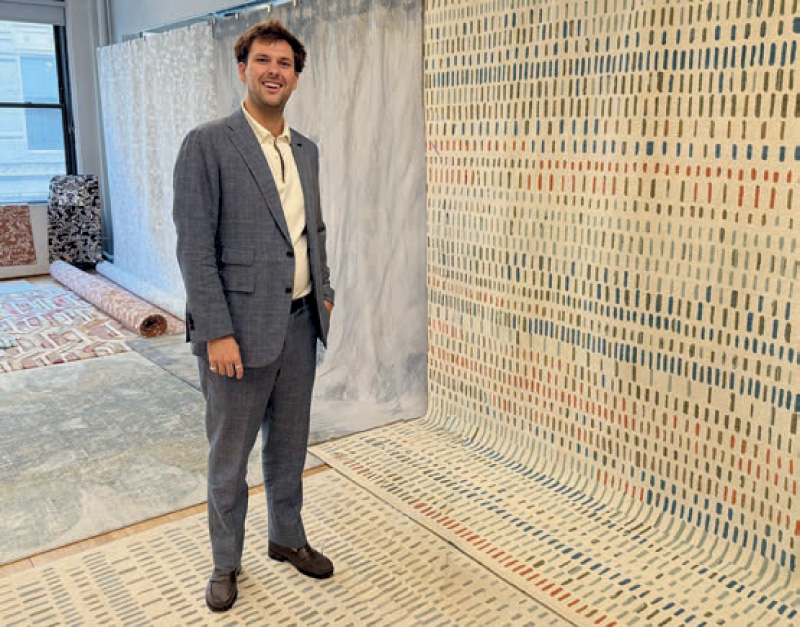
Some businesses begin with a plan. Others begin with a legacy.
For the founder of Wilmington, NC-based Theseus Rugs, Shane Cibor, the journey started long before the company officially launched. He grew up surrounded by handmade rugs, family traditions and relationships built across con tinents. Rugs have always been more than a business— they’ve been part of everyday life.

The family founded flooring company honors a century of heritage, evolution, and vision in shaping the floors and spaces where life unfolds. For 100 years, industry innovator Couristan has woven together tradition, design expertise, and forward-thinking innovation across area rugs, residential broadloom, and a full portfolio of contract and hospitality floor coverings. From its modest beginnings in New York City to a global presence today, the family owned and operated company has weathered wars, economic upheavals, and a global pandemic— emerging resilient and ever-evolving, with its legacy threaded through every area rug and carpet it produces.