


Nazmiyal Antiques
Colors: Orange Color

From domestic production to global diversification, the soft flooring industry is confronting a new era of trade challenges.

As the U.S. area rug industry navigates a shifting global trade landscape, tariffs have emerged as a powerful dichotomy—at once a disruptive force and a catalyst for reinvention. Manufacturers, suppliers, and retailers alike are recalibrating sourcing, pricing, and distribution strategies to adapt and stay flexible, all while contending with the broader headwinds of inflation, volatile shipping logistics, and persistent economic uncertainty.
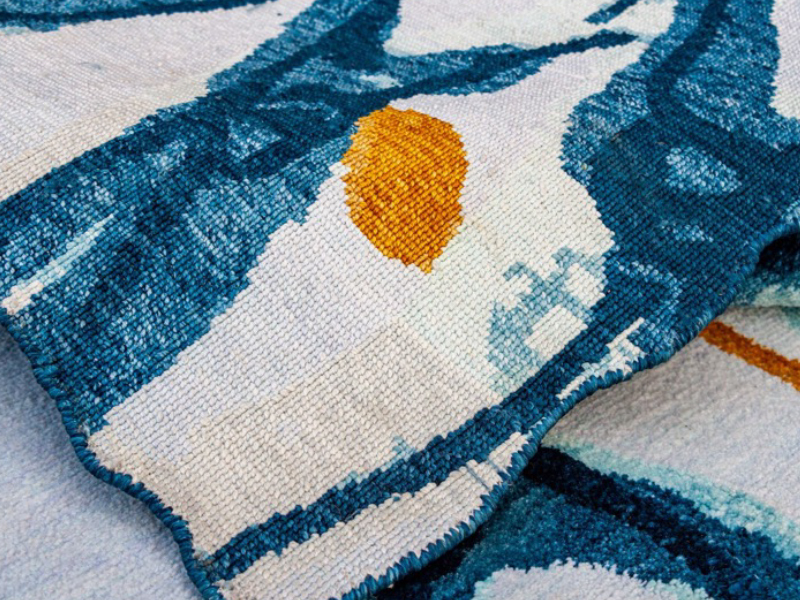
As sustainability becomes a defining factor in material selection, the rug industry is finding new ways to reconcile performance, design integrity, and environmental responsibility. While natural fibers like wool and jute have long been prized for their natural qualities, synthetic materials, particularly nylon, are undergoing a quiet transformation that’s reshaping their role in rug making.

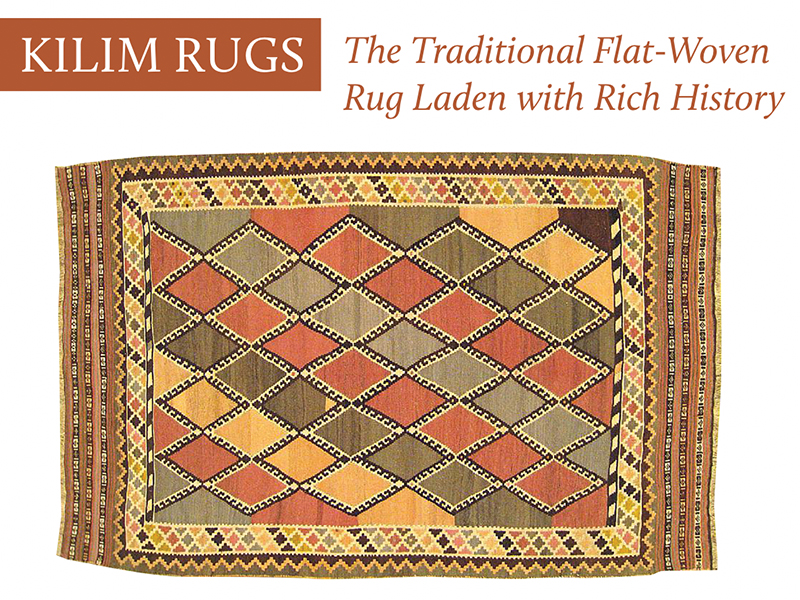
In past issues of Rug Insider Magazine, we have examined numerous antique rug styles, including Sarouk, Tabriz, Kerman, Kashan, Heriz, Bidjar, among others. One thing that all of these rug styles have had in common is that they are all pile rugs, with wool pile that sticks out above the foundational warp and weft of the carpet. In contrast, one of the most beloved traditional rug styles of the Middle East is the Kilim rug, a flat-woven rug style with no pile, but hand- made with the rich history of the various locations from which it emanates.

Our family has a tradition of touring the rugged Oregon coast in winter. We love exploring the small, charming towns when tourism is low and the Pacific Ocean frothy and wild. During our last adventure, we fortuitously stumbled into Wanda’s Cafe + Bakery in Nehalem. It was the perfect spot to escape the blustery rain and omnipresent chill.

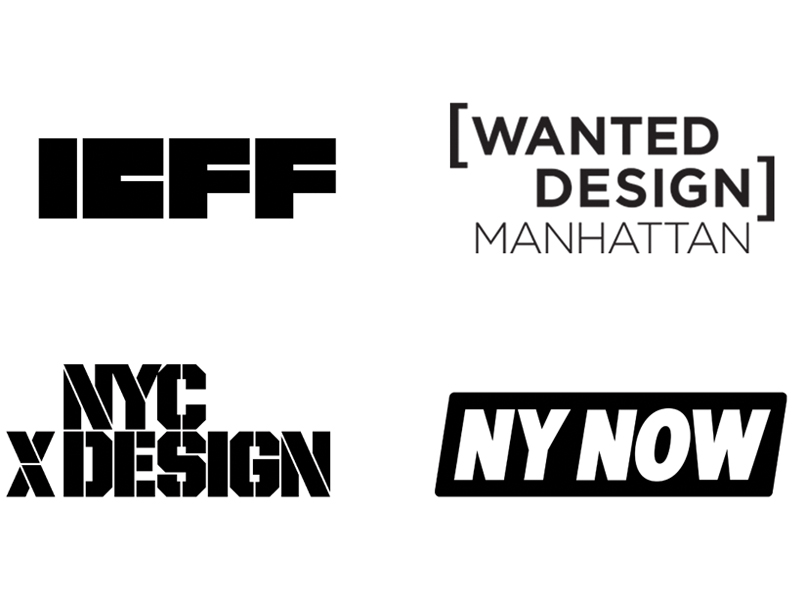
Numerous well-known area rug vendors are exhibiting their latest introductions in a number of home decor industry shows in New York City this season, notably ICFF, Wanted Design, NYCxDesign, and NY NOW. These home decor industry shows take place at different points during the summer months.

Complementing RI’s spring trend focus on Wild & Wooly rugs, there are many variations of animal and nature themes to be found in antique Persian rugs and period European tapestries.

GARDENS, TREES & FLOWERS

In antique rugs, one of the main differences between rug categories is city rugs versus village rugs, with city rugs typically being more finely woven and having more complex curvilinear designs, and village rugs typically being more coarse in their weave, and having more rudimentary geometric designs.

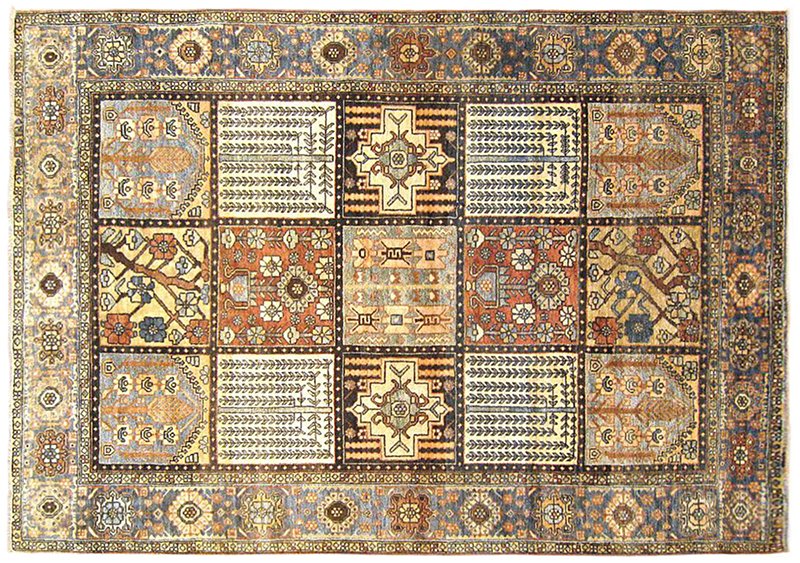
Whether the designs are more curvilinear or more geometric, though, in the majority of rugs, the designs depict various types of trees or flowers, in some way, shape, or form.