As a former importer of hand-knotted carpets, I wanted to touch base with rug retailers to delve into what makes their multi-generational businesses continue and thrive over the years. Their stories and historic photos are enriched with their ancestors’ sweat, blood, and tears.
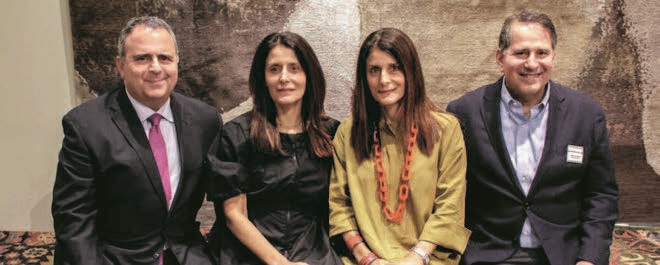
As we were celebrating Atiyeh Bros. family business established in 1900 in Portland, OR, last fall on a Willamette River dinner cruise, we enjoyed the sparkle of the city bridges and the dewy night air. Kevin Atiyeh, fourth-generation owner, shared fascinating statistics about family-run businesses in the United States. “Only 3–5 percent make it to 125 years as a continually managed/owned by the same family business.” His current employees have worked a total of 14 years on average.
Manoukian Brothers
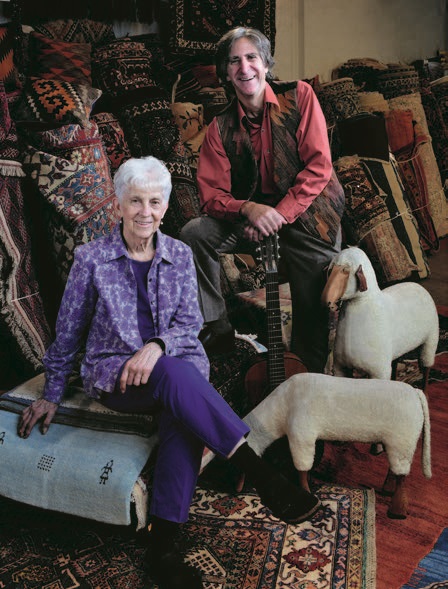
Mikael Manoukian is the third generation to run Manoukian Brothers Rugs now in Arlington, VA. In relating the stories of the toughest times as an immigrant family hailing from Armenia he felt that surviving a genocide represents a lot of perseverance, which has developed into a family trait, he only knew of them and while he never personally heard their stories, they still influence his continuing efforts. As a third-generation owner, Mikael didn’t feel the pressure of being the child of immigrants as the second generation did.
Mikael grew up Quaker so was less connected to Armenian culture. Formerly, a live arts culture videographer with a consultancy background, Mikael’s tech savvy kicked in when the backside of the family rug business wasn’t thriving in 2018. His family considered three options: closing, continuing, or selling. After one year they were finally able to focus on continuing. Fortunate for their customer base, they updated a non-transactional website, which represents this stage of the business well.
Mussallem Galleries
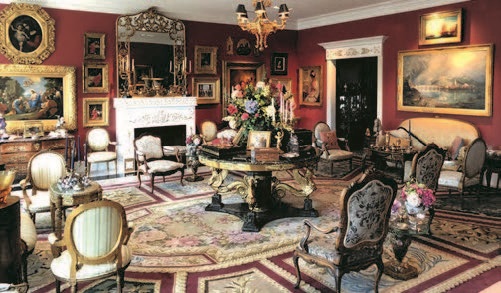 Most rug dealers know the Mussallem family from their breakout invention of upcycling carpet manufacturing waste to high-end padding. In the olden days, horsehair pad was the original protector of hand-waxed wood floors. Their family business originated in Chicago in 1897 after emigrating from Lebanon. Charles “Johnny” Mussallem II was a towering figure in our industry, as a co-founder of ORRA (Oriental Rug Retailers of America) and hosting many lovely receptions events during AtlantasMart’s hay days. His son James and grandchildren now run the various businesses. Alex Mussallem admires the determination of the founders to continue the family business, and every generation educates the next about area rugs—its value and provenance. Everyday family members extol the virtues of owning, collecting the best, and maintaining their treasures. Succession is always on their minds, and the family is passionate to have their legacy continue in the family. While the thrill is finding treasures, sacrifices are often made to purchase high quality. Alex says, “If we love it, can afford it, then we buy it.” Over 15,000 objects d’art can be seen at Mussallem Galleries, which is a nod to their proud family enterprises.
Oscar Isberian
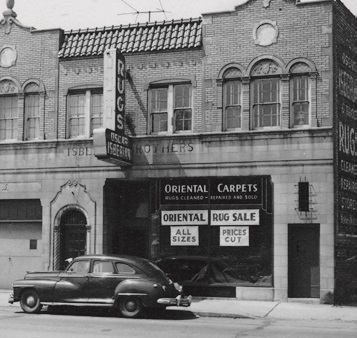
In speaking with Sarkis and Oscar Tatosian, owners of Oscar Isberian in Chicago, they both noted the sacrifices their grandparents made as immigrants to find a business. The Isberians built a cleaning plant just before the depression and lived in the apartment above it to make ends meet. When Mr. Isberian was in his 80s he needed help running the business, so his grandsons worked on weekends during their university years. Now great-grandson Marty is entering the family concern and is bringing updated business management skills to the firm.
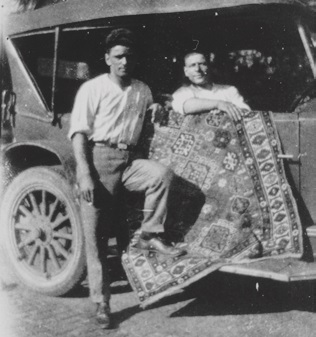
Atiyeh Bros.
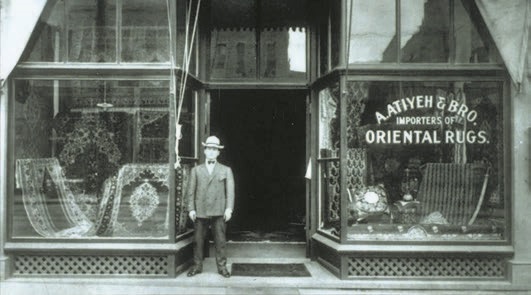
George and Aziz emigrated separately from the Ottoman Empire before the turn of the 20th century. George maintained the retail side and Aziz recreated the importing and wholesale side of Atiyeh Bros. in the 1920s in New York. Fourth-generation Kevin Atiyeh, vice president, says, “They inspired us to look at ourselves as a customer service business first and a rug retailer and cleaner second. We want to provide service, value, and a relationship that brings back longtime customers and their families throughout the years.”
Kevin wants to continue Atiyeh Bros. for as long as customers find value in their floorcovering and cleaning services. Many of their strategic planning decisions focus not only on improving the business now but setting it up for future success.
A business, whether it is Atiyeh Bros. or another company, must make tough decisions regularly to ensure its long-term success. Governor Victor Atiyeh dropped out of university during WWII when his brothers were serving overseas and his father passed away. Managing growth requires careful consideration and planning whether it’s employees, locations, or diversifying products to sell. Kevin likes being thoughtful and looking at things from different angles before making decisions.
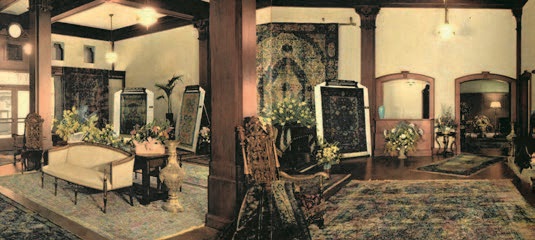
A.T. Proudian

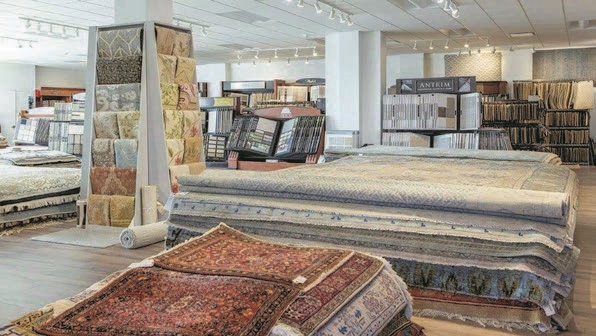
I reached out to longtime wholesale customers Greg and Maria Proudian of A.T. Proudian in Greenwich, CT. What they admire most about the generations who came before them is their resilience, determination, perseverance, and commitment to building something that would last. Greg’s grandfather, Aram Proudian, is the foundation of everything they stand on today. After surviving the loss of most of his family during the Armenian Genocide, he came to the United States deter-mined to rebuild his life and create opportunity for future generations. He moved to New York, earned his degree, continued his education at Columbia University, and in 1923 started the business that still guides us over a century later. Greg says, “His courage shaped our values from the beginning, setting a standard of perseverance that continues to influence our business practices today.
From him, we inherited not only a company, but a core principle ensuring that our business is not only a legacy, but a living reflection of his principles.”
One of their toughest periods came during the recession of 2007–2009. Like many businesses, they were forced to make difficult decisions to stay stable and secure. Proudians restructured operations by closing a second location and scaled down where necessary without sacrificing any of their loyal employees who they treat like family. They were reminded that adaptation is an essential part of business practices and even in difficult economic climates, thoughtful decisions can protect the foundation of a family business.
As they enter their 103rd year in business, succession is something the Proudians continue to think about care-fully. Their hope is to remain strong for at least another decade, honoring the foundation that was built. Greg says, “While I have two wonderful daughters, both are pursuing their own interests and passions, and I fully support them in following the paths that inspire them most. At this time, it is unlikely that they will join the family business.” For now, the Proudian’s focus is on sustaining a legacy with intention, ensuring the business remains stable while being prepared for whatever the future may bring.
Kebabian’s
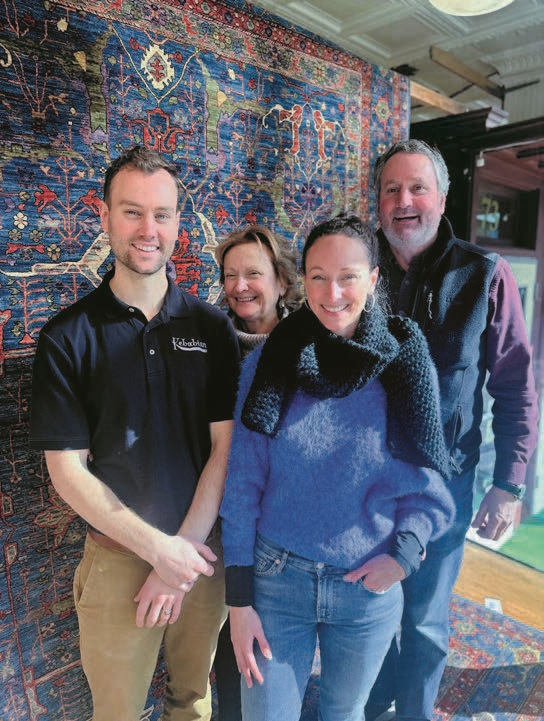
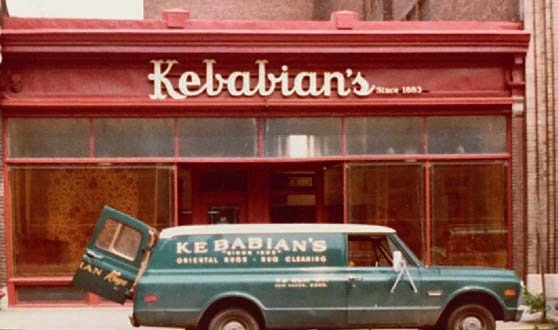
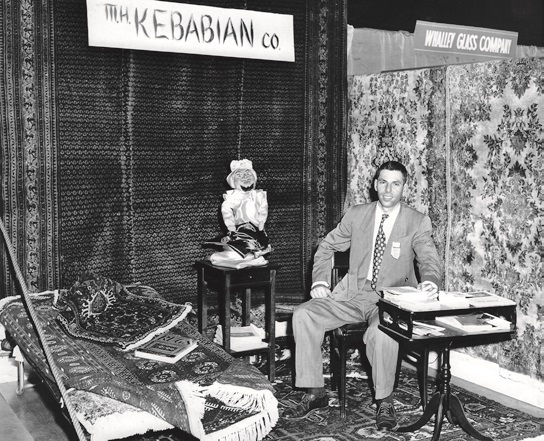
Ellen Kebabian graciously responded to my interview questions about her family business: Kebabian’s Rugs based in New Haven, CT. Her great-great-great-uncle John C. Kebabian founded the business out of his dorm room at Yale 143 years ago. An Armenian immigrant from Turkey, he set the tone for all five generations to come. Frequently, she and her brother, Josh, hear folks talking highly of their father and grandfather—they would always do the right thing, and it’s that integrity that is built into the very bedrock of their business.
The Kebabians are now a fifth-generation enterprise. Ellen joined the business one year ago, leaving a successful career as an interior designer in high-end residential design. Working alongside her brother (with his decade-long experience in rugs), and father (with his immense rug knowledge), has been a privilege and a joy. While the siblings have different styles, creative vs. analytical, they both share respect toward all whom they work with—weavers, manufacturers, designers, and of course, end users. They care deeply about sustainability, history, ethics, and artistry. This comes through their passion for learning—Ellen’s through design, including environmental psychology, and Josh, through courses he is taking at the Yale Divinity School, including ecology and ethics.
Their third great-uncles took enormous risk coming to Amer-ica, while their great-great-grandfather Hampartzoom (the oldest in the family) stayed behind in Constantinople (now Istanbul) during the decline of the Ottoman Empire, pur-chasing and shipping the rugs overseas. The Kebabian’s great-grandfather Mihran carried the business through the Great Depression and their father, John, maintained the business through the recession of 2009.
Ellen states, “Our family has always persevered no matter the challenge, worked hard, and never wavered in integrity.”